
Whether you’re a green thumb aficionado or a budding plant enthusiast, learning how to propagate succulents is a rewarding pursuit. Thrifty gardeners rejoice, as propagating these resilient and alluring plants can help you expand your succulent collection without straining your budget. Succulents are uniquely suited for propagation, given their ability to thrive in various conditions and the ease with which they can multiply from leaves or stems – a process akin to their natural reproduction method.
Succulents possess the remarkable capacity to form new, independent plants from parts of their existing structure, often through fallen leaves that sprout new roots and shoots when in contact with soil. This trait not only facilitates easy cultivation and sharing but also ensures that accidental breakage or trimmings don’t go to waste. By mastering propagate succulents techniques, you can transform single plants into a lush garden of diverse, robust, and vibrant greenery.
Key Takeaways
- Propagating succulents can significantly expand your plant collection in a cost-efficient manner.
- The optimal time for succulent propagation is during their growth season, primarily in the spring or summer.
- Utilize healthy leaves or stem cuttings from a “mother” succulent to ensure successful propagation.
- Patiently allow leaves to callous before placing them onto a suitable growing medium, fostering stronger root development.
- Imitate a succulent’s preferred conditions – adequate light and well-drained soil – to increase the chances of propagation success.
The Essential Overview of Succulent Propagation
Imagine the joy of watching your succulent collection multiply without ever visiting a nursery. Succulent propagation makes this possible. It’s a journey of transforming single leaves into flourishing plants, ready to add vibrancy and life to any space. Whether you’re an experienced gardener or new to the world of succulents, understanding the fundamentals of propagating succulents from leaves is a delightful and rewarding endeavor.
Understanding Propagation Basics
Propagation is like a plant’s superpower, allowing it to reproduce and create new life from just a portion of itself. The process specifically refers to how to propagate succulent leaves and stems, using pieces of the plant to grow new, independent ones. Although this might seem like a complex task, succulents naturally lean towards easy reproduction. By mimicking their natural tendencies, even beginners can successfully propagate succulent leaves with minimal effort and expense.
Benefits of Multiplying Your Succulent Collection
By choosing to propagate, you’re not only expanding your garden but also ensuring stronger genetic diversity within your plant collection. It stands as a cost-effective solution for gardeners looking to grow their assortment of succulents or even share them with fellow enthusiasts. Propagating succulents from leaves is especially simple because it doesn’t require any special tools or technical skills, just patience and care.
Best Time to Start Propagation
While succulents are hardy, the timing of propagation can influence the success rate. The optimal time for succulent propagation aligns with their growth period, primarily during the warmer months of spring and summer. However, with appropriate indoor lighting and temperature control, propagating succulents can be a year-round activity. The key is providing a nurturing environment that supports the growth of new roots and eventually, the sprouting of tiny succulent plantlets.
Choosing the Perfect Parent Plant
When you aim to propagate succulent leaves, the vitality of your future plants lies in the robustness of the parent. Seeking out a mother plant that exudes health is paramount; look for species known for their lush, fleshy foliage, which indicates their prowess in propagation. Ideal candidates include the resilient jade plant, the symmetrical echeveria, and the ever-charming sempervivum rosettes. Also, don’t overlook those with elongated stems, as sedum, jade, and haworthia are remarkable choices.
A flourishing mother plant should possess leaves that are well-hydrated, demonstrating their capacity for water retention—a critical trait for propagation. Inspect closely for leaves that are firm to the touch, plump, and free from any hints of discoloration or physical damage. These indicators herald the likelihood of successful leaf propagation and ensure that your efforts to replant succulents will bear fruit, leading to a verdant, rejuvenated collection.
As you prepare to embark on this botanical adventure, remember that the success of your propagation efforts is inextricably linked to the mother plant’s vigor. By selecting a healthy parent, you maximize the potential for growth and regeneration, crafting a garden that is both resilient and ever-expanding.
Propagating Succulent Leaves: An Easy Method
Embracing the art of propagating succulent leaves is a straightforward and gratifying way to enhance your collection of these resilient plants. If you’re wondering how to grow succulents from leaves, worry not – even novice gardeners can achieve great results with a little guidance. This sustainable method not only saves money but also allows you to observe the fascinating life cycle of succulents.
Selecting Healthy Leaves for Propagation
To commence your propagation journey, focusing on the health of the succulent leaves you choose is paramount. A leaf ideal for propagation is robust, full, and free from any signs of distress, such as discoloration or mushiness, which can be indicative of overwatering. Healthy leaves have the best chances of taking root and developing into vigorous new plants.
The Right Technique for Leaf Removal
For successful propagation, one must master how to propagate succulents from leaves using the correct technique. Gently twist the leaf from the mother plant, ensuring that the entire leaf is removed. A clean break from the stem is critical, as any part left on the stem may hinder the leaf’s ability to form roots. It’s a delicate balance of firm enough to detach, yet gentle enough not to cause damage to the leaf or the plant.
Encouraging Callous Formation for Optimal Growth
After the leaves are separated, they must be left to dry for a few days to enable the formation of a callous. This step is essential for propagating succulent leaves, as it helps prevent potential rot when you eventually place the leaves on moist succulent soil to root. The callousing period is a critical phase in leaf propagation, setting the stage for the emergence of new life.
How to Propagate Succulents Using Stem Cuttings
While leaf propagation is a popular choice among succulent enthusiasts, the use of stem cuttings is an equally effective method for growing new plants. Favored for its simplicity and compatibility with a wider range of species, especially those that are branching or multi-stemmed, this technique can yield excellent results with the proper care.
Certain succulents, such as Sedum, Aeonium, and Crassula (commonly known as jade plants), are prime candidates for stem cuttings. To begin, select a vigorous and healthy-looking stem with an abundance of leaves. Sterility is key, so ensure your scissors or cutting tool is clean to prevent any infection or disease during the cutting process.
Once you have your cutting, it’s crucial to allow the end to callous over, which may take a few days. This callousing process is a protective measure for the plant, warding off rot and promoting a healthier rooting environment. After achieving a sufficient callous, it’s time to plant the succulent cuttings. Place them in a dedicated succulent soil mix that’s designed to promote drainage and aeration, ideal for root development.
Stem propagation isn’t just about fostering new growth; it also rejuvenates the parent plant, encouraging a more compact and fuller appearance. It’s an advantageous method that not only expands your assortment of succulents but also contributes to the overall health and aesthetics of your original plants. Learn more about how to plant succulent cuttings with us, and you’ll be well on your way to becoming a propagating aficionado.
Optimal Conditions for Succulent Propagation Success
To **master the art** of propagating succulents, it is imperative to replicate their natural environment as closely as possible. Indoors, where one has more control over the growing conditions, this means paying special attention to factors like temperature, humidity, lighting, and selecting the appropriate soil and containers. These elements collectively play a significant role in determining how well your cuttings will root and grow.
Temperature and Humidity Considerations
A warm, stable temperature coupled with moderate humidity creates an ideal setting for how to grow succulents from cuttings. Typically, a temperature range between 60-80°F (15-27°C) is recommended. While succulents can tolerate dry air, a slight increase in humidity can help cuttings to root more effectively, but balance is key. Too much moisture can lead to rot, so aim for a semi-humid climate that mimics a desert-like morning—a period of brief humidity followed by a dry day.
The Importance of Indirect Light
When considering how to root succulents, lighting is critical. Your succulent cuttings need access to a lot of bright but indirect light. Direct sunlight can be too intense and lead to scorched leaves. Place your cuttings in a location where they can soak in plenty of indirect sunlight, such as near a north-facing window or under a shade cloth if outdoors. This ensures they receive enough light for photosynthesis without the risk of sunburn.
Choosing the Correct Soil and Containers
The choice of soil and containers can be a determining factor in successfully rooting succulents. Use a succulent or cactus mix that offers excellent drainage, as too much moisture retention can be detrimental to new roots. The container should also support the overall soil environment; often, shallow pots are preferable because these complement a succulent’s naturally shallow root system, promoting aeration and discouraging moisture accumulation.
The Role of Watering in Propagating Succulents

Mastering the art of watering is crucial when attempting to propagate succulents. Specifically, for enthusiasts dealing with leggy succulents, providing the just the right amount of moisture can mean the difference between thriving plants and disappointing failures. Below, we explore techniques that promise to guide you through the delicate balance of propagation hydration.
Balancing Moisture During Propagation
To successfully propagate succulents, one must strike a delicate balance with moisture levels. Succulent cuttings and leaves require a consistent moisture presence to encourage rooting, yet too much water can lead to detrimental rot. The process begins with a finely misted soil environment, which supports the development of strong, healthy roots.
Misting Techniques for Healthier Succulents
Misting is an efficient way to provide moisture without saturating the growing medium. A soft spray bottle can be used to gently water the soil surface, fostering an ideal habitat for new roots to emerge and grow. This light application aids in maintaining adequate hydration without leaving the delicate succulent cuttings vulnerable to water-driven diseases.
Recognizing Overwatering Signs and Solutions
Overwatering is a common pitfall in the propagation of succulents. Indicators of excessive watering include a discoloration of leaves and a spongy texture. To rectify this situation, reduce the frequency of misting and permit the soil to partially dry between watering sessions. This approach will help restore the crucial moisture balance needed for healthy propagation.
Rooting Hormones: To Use or Not to Use?
The dilemma of whether to employ rooting hormones in the process of propagating succulents remains ever-present among gardeners and hobbyists. These hormones, often found in powder form, promise to enhance and accelerate the development of roots. But how essential are they for the aspiring succulent cultivator?
A key point to consider is that succulents naturally possess a powerful ability to root from their leaves and stems. This knack for resilience means that, even without the intervention of hormones, propagation is still often met with success. Yet, for those eager to experiment, rooting hormones can be applied judiciously to stem cuttings post-callousing and just before nestling into the soil — a subtle boost in their journey to becoming robust new plants.
However, before introducing any aids into your propagating enterprise, consider the natural wonder of succulents. These plants are champions of adversity, propagating effortlessly in their native habitats. The process is a testament to their hardiness — a feature that has endeared them to gardeners around the world. Whether or not to incorporate rooting hormones into your propagation protocol may come down to personal preference and the specific demands of the specimen in question.
Caring for Your Propagated Succulents Post-Transplant

After mastering how to propagate a succulent, the journey continues as you enter the critical phase of post-transplant care. The tender young plants you’ve nurtured are now ready to transition to a more permanent home where they can flourish. Understanding the nuances of their care will ensure the fruits of your labor continue to grow and thrive.
When and How to Transplant to a Permanent Pot
Timing is a determining factor for healthy transplanting. Succulents, after sprouting new growth and developing a robust root system, signal readiness for a more spacious environment. Selecting the ideal pot—a home with ample room for roots and growth, paired with succulent-specific soil that guarantees good drainage—prepares your succulent for a thriving future.
Long-Term Care for Newly Propagated Succulents
As you nurture your propagated succulents, be vigilant and responsive to their needs. Sunshine, the elixir of life for succulents, should be abundant yet gentle, allowing them to bask in light without the burn. Watering practices must lean towards the conservative side; a light touch is all that’s required to maintain the delicate balance of moisture. Monitor diligently for any signs of distress or jubilant growth, as these indicators will guide you in fine-tuning your care strategy. With patience and attention, you’ll foster a stunning new generation of succulents grown deftly from a leaf.
Common Pitfalls and How to Avoid Them
As you embark on the journey of how to grow succulents from leaves, it’s essential to evade certain roadblocks that could hinder your progress. Understanding these common pitfalls will enhance your ability to succeed in propagating succulents from leaves.
Overwatering is perhaps the most prevalent issue among novices; succulents thrive in drier conditions, and their leaves and stems can easily rot with excess moisture. To avoid this, water minimally, just enough to moisten the soil without making it soggy. Wait until the top layer of the soil dries out before the next light watering session.
Another critical factor to consider is sunlight exposure. While succulents do require light to grow, too much direct sunlight can scorch the tender cuttings and leaves. Position them in a place where they will receive plenty of indirect sunlight. If natural light is limited, consider using grow lights but maintain a balance to avoid leaf burn.
Let’s talk soil. The right type can make a world of difference; a well-draining succulent mix is paramount for the successful propagation of succulents. Avoid using regular potting soil, as it retains moisture longer than succulent plants can tolerate.
Lastly, patience is not just a virtue but a necessity when it comes to succulent propagation. It can be adventurous to monitor the progress, but understand that it may take several weeks before you see the fruits of your labor. Resist the urge to tinker with your cuttings if they don’t show immediate growth. Time coupled with proper care will eventually lead to the successful growth of new succulent plants.
In conclusion, success in succulent propagation is achieved through careful observation and maintenance of minimal watering practices, appropriate light conditions, proper soil preparation, and a generous dose of patience.
How to Propagate Succulents: Troubleshooting Tips
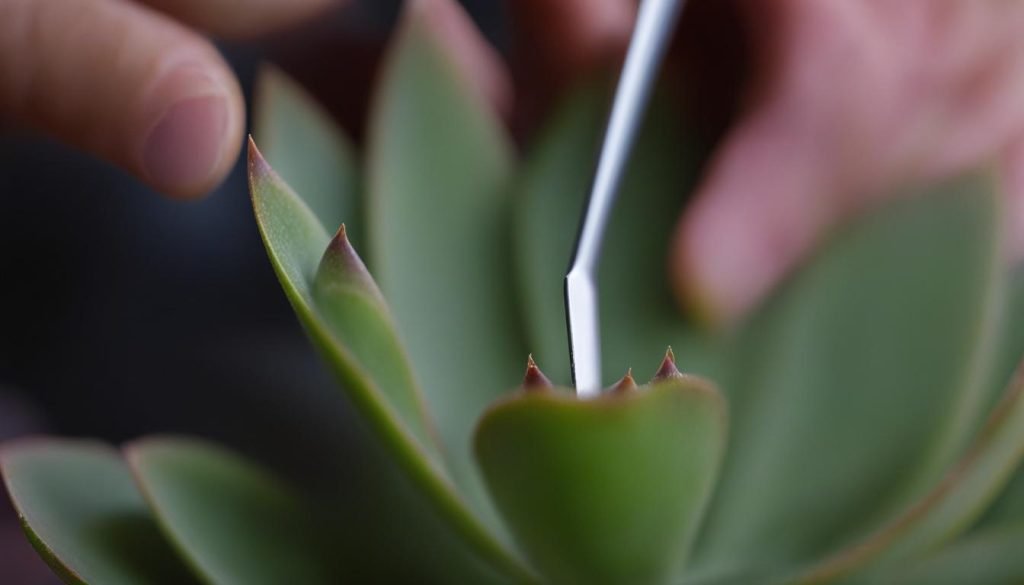
If you’re diving into the world of succulent propagation, you’ll discover that it can be as rewarding as it is challenging. While following the steps on how to propagate succulents, it’s common to encounter issues such as root rot, an absence of rooting, or leaf burns. Don’t worry, though—even the greenest gardeners can troubleshoot these issues with a bit of guidance.
Root rot frequently results from overzealous watering. To avoid this, ensure your soil is barely moist, and not excessively wet. A key indicator of overwatering is if the leaves start to feel mushy or develop a discoloration, which isn’t a sign of healthy propagation progress. Conversely, a lack of rooting might suggest your cuttings are not in the ideal conditions they crave. To remedy this, set your succulent cuttings in a spot with plenty of indirect sunlight, which affords the necessary light without the risk of scorching. If you notice the leaves developing brown spots or appearing scorched, they’re probably getting too much direct sunlight and need to be relocated to a gentler environment.
Sometimes leaves fall off with barely any effort; this isn’t cause for alarm. In fact, it’s often a sign that the plant is ready to propagate, showing a healthy urge to grow new life. Observing this can guide you to maintain or replicate the healthy environment that encouraged such vigor in the first place. When your succulents show signs of successful rooting and new growth, it’s a green signal to continue your current care regimen. Keep patient and stay observant, as your succulent propagates may require fine adjustments to their care as they mature.
Expanding Your Succulent Garden
As you delve into the art of propagating succulents, you’ll find that one of the most fulfilling aspects is watching your garden flourish. Propagation isn’t just about creating more plants; it’s about expanding your living tapestry of succulents that exudes life and growth. Learning how to propagate succulents effectively can lead to a lush oasis that truly transforms your space.
Utilizing Succulent Pups for Enhanced Propagation
Many succulent species produce offsets, commonly known as pups, as part of their natural growth cycle. These little clones of the mother plant are a wonderful resource for garden enhancement. When you notice these pups have developed their own roots, it’s time to gently separate them from the parent plant, thereby providing them with an opportunity to become individual focal points in your garden. This method of propagating succulents is not only simple but highly rewarding as you increase your collection sustainably.
Creating a Display of Your Propagated Succulents
After you’ve mastered the process of how to propagate succulents, it’s time to show off your handiwork. The versatility of these regional flora allows for creativity in placement and arrangement. From hanging terrariums to rustic garden patches, your propagated succulents can become living decor. Assembling different textures, colors, and sizes can turn an assortment of plants into a cohesive display that captivates and inspires.
How to Propagate Succulents
Embarking on the journey of propagating succulents promises a rewarding venture into expanding your home garden with these resilient and charming plants. Ideal for beginners, this method stands as a testament to the simplicity and beauty of nature’s processes. In this guide, we delve into the practical steps any aspiring green thumb can follow to successfully cultivate new succulents from leaves or cuttings, and witness the rewarding transformation from a small cutting to a thriving plant.
Step-by-Step Guide for Beginners
The process of propagating succulents starts with the selection of a robust parent plant. Gently twist and remove a healthy leaf, ensuring to keep it intact. Allow the leaf to develop a callous, which serves as a natural protective layer, before nestling it onto a bed of well-draining soil. Providing the right care, which includes strategic watering and shielding from intense direct sunlight, sets the stage for new roots to emerge. Over time, patience is rewarded as you learn how to grow succulents from cuttings and witness the birth of new plant life.
Achieving Propagation Success: Key Takeaways
To foster a thriving propagation environment, adhering to ideal conditions mimicking a succulent’s natural habitat is pivotal. Bright, indirect light coupled with moderate moisture paves the way for success. While rooting hormones are optional, they potentially hasten growth for eager gardeners looking to expedite the process. After roots take hold and new growth becomes evident, transitioning your young succulents to their permanent home is the next step. Understanding how to propagate succulents from leaves and paying attention to key care tips not only ensures a higher success rate but also paves the way for an enhanced and varied succulent garden that could become the centerpiece of your home.
FAQ
What is the best time to propagate succulents?
The best time to propagate succulents is during the spring or summer when conditions of warmth and light mimic their natural growing season, although it can be done year-round indoors with the proper conditions.
How do I select a healthy parent plant for propagation?
Look for succulents with fleshy, plump leaves that are firm, without any discoloration, damage, or signs of overwatering. Healthy leaves will have a better chance of successful propagation.
What is the proper technique for removing leaves for propagation?
Gently twist and pull the leaf from the stem to ensure a clean removal. A complete leaf detachment is crucial for successful propagation.
How long should succulent leaves callous before planting?
Leaves should be allowed to callous over for a few days to prevent rot and encourage healthier root development once planted.
Can all types of succulents be propagated from leaves?
Not all succulents are suitable for leaf propagation. Varieties with fleshy leaves like echeveria, jade, and sempervivum are good candidates for leaf propagation.
How do you propagate succulents using stem cuttings?
Snip a healthy-looking stem with clean scissors, allow the end to callous over, and then plant the cutting in well-draining succulent soil to encourage root growth.
What conditions are optimal for rooting succulents?
Succulents root best in warm, semi-humid environments with bright, indirect light. The soil should be a well-draining cactus or succulent mix.
What is the correct way to water succulent cuttings and leaves during propagation?
It is best to mist the soil lightly to keep it barely moist. Overwatering can lead to rot and other issues, so avoid saturating the soil.
Should I use a rooting hormone for succulent propagation?
Rooting hormones are optional for succulent propagation. If used, they can be applied after the cutting has calloused and before planting to possibly speed up the rooting process.
When should I transplant my propagated succulents to a permanent pot?
Transplant your new succulents once new growth forms and the roots have strengthened, indicating they are ready for a more stable growing environment.
What are some common pitfalls in succulent propagation?
Common issues include overwatering, providing too much direct sunlight, and using non-draining soil. Stick to minimal watering, indirect light, and well-draining soil to avoid these problems.
My succulent leaves are not rooting; what could be wrong?
Ensure the soil is not too wet, protect cuttings from direct sunlight, and provide the right environment for rooting. Patience is important as succulents can take time to root.
Can you propagate succulents from pups or offsets?
Yes, succulents that naturally produce pups can be separated and replanted once they have developed a root system.
How can I ensure propagation success for beginners?
Start with choosing a healthy plant, practice proper leaf or stem removal techniques, allow for callousing, and maintain ideal propagation conditions such as indirect light and minimal watering.
Leave a Reply