
Embarking on the journey of welcoming a German Shepherd puppy into your home is an exhilarating experience brimming with anticipation. Acclaimed for their striking intelligence and fidelity, German Shepherd Puppies are a top consideration for those seeking a pet that melds seamlessly into their lives. However, despite their alluring charm and adorable antics, raising such a breed comes with its unique set of requisites. Training, socialization, and understanding the inherent traits of this breed are all pivotal aspects of responsible ownership.
Prospective owners often question whether German Shepherd Puppies are the right fit for their household, particularly when it comes to children. Fortunately, with mindful and consistent German Shepherd Puppies Training, these dogs are known to be encouraging and vigilant companions, making the query “Are German Shepherd good with kids?” very pertinent for family considerations.
Indeed, the road to nurturing a balanced and convivial German Shepherd is paved with commitment—training sessions, exercise, and plenty of affectionate interaction. For those who contemplate “Do German Shepherds make good pets?“, the answer is a definitive yes, with the caveat that they are given the guidance and attention their dynamic natures demand.
Key Takeaways
- German Shepherd Puppies are recognized for their high intelligence and loyalty.
- Effective training and socialization are critical for this breed.
- German Shepherds are known to integrate well with families and children.
- Prospective owners must be equipped to meet the exercise and mental stimulation needs of these active dogs.
- Understanding and meeting the German Shepherd’s needs is the key to ensuring they make excellent pets.
The Unique Appeal of German Shepherd Puppies
Embarking on the journey of German Shepherd puppy ownership unveils a world where intelligence and affection coalesce. Known for their alertness and ability to integrate into varied lifestyles, these puppies capture hearts with an instinctive charm that resonates beyond their physical beauty. Advocates of the breed often cite a multitude of endearing attributes, from their versatile skillset to their harmonious compatibility with family life.
Intelligent and Loyal Companions
Renowned for an intelligence that belies their years, German Shepherd puppies swiftly adapt and respond to training cues, making them a top choice for families and professionals alike. Their sharp minds, eager to solve problems and learn new commands, form an intrinsic part of their allure. This cognitive prowess is complemented by a steadfast loyalty, ensuring they are steadfast companions who forge an unbreakable bond with their human counterparts.
A Protective and Loving Breed
Questions such as “are German Shepherds good with kids?” or “are German Shepherds friendly?” often arise when families consider adopting a pet. German Shepherds answer these with a resounding affirmation. With their protective instinct, they serve as vigilant watchful guards, providing peace of mind to their owners. Yet, these dogs are not solely guardians; they possess a profound capacity for love, enveloping family members in a protective yet gentle embrace. Proper socialization ensures that German Shepherds grow into good family dogs, who differentiate clearly between necessary protection and unwarranted aggression.
Understanding the German Shepherd’s Need for Companionship

The German Shepherd breed is emblematic of deep loyalty and unwavering companionship. From their early days as German Shepherd puppies, these canines exhibit a clear craving for social interaction that carries into adulthood. This inherent need is as much a part of their make-up as their sleek coats and intelligent gaze. Recognizing and nurturing this trait from the puppy stage is paramount to their development. To answer the concern “will a German Shepherd attack a child?”, it must be understood that proper socialization can greatly reduce such risks.
Given their propensity for strong bonds, German Shepherds are at their best when fully integrated into family activities. In fact, isolation or the lack of companionship can lead to an array of problematic behaviors stemming from anxiety and boredom. The formative months are critical for socialization—this period lays the groundwork for their ability to distinguish between being a protective companion and exhibiting aggression.
Responsible owners should engage German Shepherd puppies in various family-centered experiences to help these intelligent dogs understand their role within the human pack. Enrichment through interaction with humans and other dogs teaches them emotional control and nurtures their sociable nature. This early investment in time and love ensures a German Shepherd will grow up to be a well-adjusted, confident, and a reliable member of any household, safeguarding the family while respecting its youngest members.
Exercise Requirements for a Healthy German Shepherd Puppy
The robust nature of German Shepherd puppies demands a disciplined exercise regimen, which is paramount for their physical and psychological well-being. Owners looking to answer the question, Do German Shepherds make good pets? soon realize that these active canines are an excellent choice for those committed to integrating varied and consistent physical activities into their daily routine.
Providing Space for Play and Exercise
Space plays a critical role in the development of a German Shepherd puppy. They need an open area where they can run freely, tap into their natural agility, and explore their environment. An adequately fenced backyard serves as the ideal playground for these spirited pups. Inside the home, space must be allocated for play, ensuring that the puppy has room to move around without the risk of injury or property damage.
Activities for Burning Off Excess Energy
German Shepherd puppies abound with energy that, when channeled correctly through exercise, cements their status as beloved pets. Owners should incorporate a variety of activities such as fetch, obedience training, and agility courses to keep their German Shepherd mentally stimulated and physically satisfied. Notably, German Shepherd puppies training is not just about behavioral discipline; it includes interactive playtimes that harness their intelligence and satisfy their instinctual drives.
Ultimately, the investment in exercise and training pays dividends in raising a balanced, healthy pet capable of strong bonds and social interaction. Thus, it is crucial for potential owners to understand and meet the exercise requirements inherent to the breed, committing to an active lifestyle that complements their German Shepherd puppy’s needs.
Battle of Wits: The German Shepherd’s Intelligence and Boredom
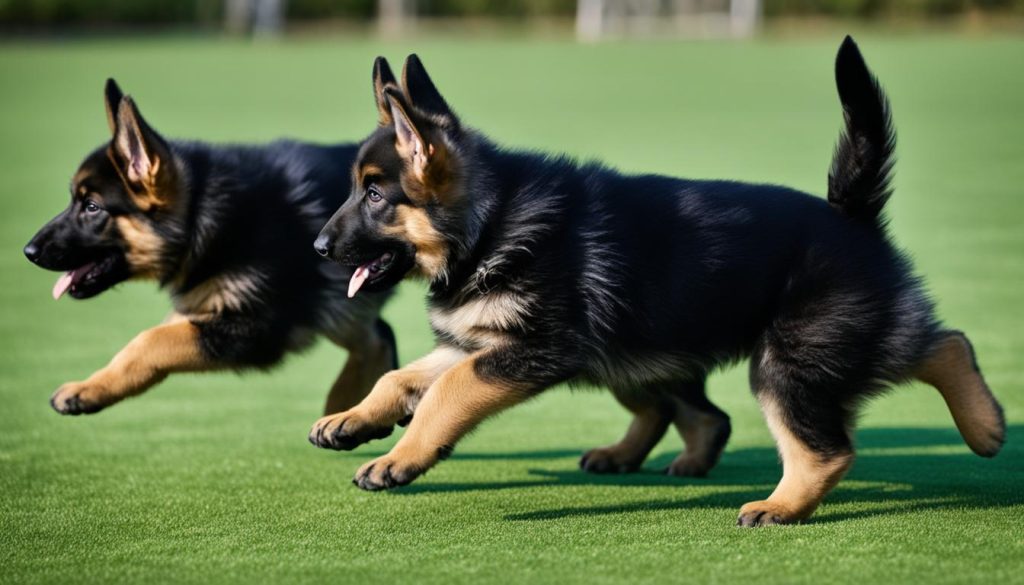
The celebrated intelligence of German Shepherd puppies carves a dual-edged sword in the realm of puppy training. Remarkably astute, these canines are equipped with a natural predisposition to learn and interact with their environment, making German Shepherd puppies training an enriching experience for both the pet and the owner. However, their sharp minds are not to be underestimated; without sufficient mental stimulation, they can turn to less desirable forms of amusement.
Training methodologies for German Shepherd puppies should pivot on engagement that stimulates both their intellect and their physical prowess. Boredom, the bane of many a pet’s existence, strikes these intelligent puppies hard, and they might resort to mischief as a source of self-entertainment. Chewed furniture, dug-up gardens, and other destructive behaviors can manifest when a German Shepherd puppy’s brain is not challenged and engaged.
The key to a harmonious relationship with a German Shepherd puppy lies in consistent and dynamic German Shepherd puppies training. This includes a variety of exercises that encourage problem-solving and adaptability, interactive play that taxes their mental faculties, and obedience training that scales with their rapidly developing intellect. With diligence in these practices, potential behavioral issues can be preempted, fostering a well-adjusted and content puppy, ready to grow into an exemplary canine citizen.
Preparing for the Costs of German Shepherd Ownership
As you consider becoming the proud owner of a German Shepherd, it is essential to understand the financial commitment that comes with this choice. German Shepherds are known for their versatility and noble character, qualities that make them excellent companions for those willing to invest in their well-being. They’re not only admired for their protective instincts but also their capacity to integrate with various household dynamics, including living with small dogs when properly socialized. However, a key aspect of ensuring a harmonious relationship, especially in homes with smaller pets, is thorough German Shepherd puppies training, an endeavor that requires both time and financial resources.
Initial Investment in Health and Accessories
Welcoming a German Shepherd puppy into your home begins with initial expenses that go beyond the cost of the puppy itself. Prospective owners should be prepared for the outlays on quality nutrition, necessary accessories like crates and leashes, and health-related costs, including spaying or neutering. To ensure a flourishing start, these dogs will need a series of vaccinations and a proactive plan for parasite prevention. Additionally, it is worth considering that German Shepherds, renowned for their intelligence and adaptability, may require specialized training equipment to enhance their learning experience.
Understanding Long-Term Veterinary Care Expenses
Ownership of these robust dogs extends far beyond the initial phase, developing into a long-term commitment to their health and happiness. Often, German Shepherd owners face breed-specific health concerns such as joint issues, which may necessitate regular veterinary attention and potential specialty diets. Proactive measures, such as pet insurance, could alleviate the brunt of unforeseen veterinary expenses. It’s particularly beneficial for owners who are concerned about maintaining peace between their German Shepherd and smaller canine companions since ensuring that are German Shepherds good with small dogs often involves behavioral consultations and professional training programs.
Playtime Essentials: Toys and German Shepherds

Owners of German Shepherd puppies quickly learn that these dogs bring a zest for life into any home. They ask the question: Do German Shepherds make good pets? and find that the answer is a resounding yes, especially with proper activity and training. German Shepherd puppies training involves not just discipline and commands, but also integrating playtime that meets their physical requirements. The importance of selecting the right toys cannot be understated—it’s a critical component of responsible puppy care.
Choosing Durable Toys for Power Chewers
These energetic canines are natural power chewers, making it imperative to choose toys that stand up to their strength. Durability is key in preventing your German Shepherd from destroying toys too quickly, which can lead to costly replacements and potentially, the ingestion of dangerous materials. Owners should seek out toys made from robust materials designed for heavy-duty play, ensuring that their companions can chew to their heart’s content without safety concerns.
Interactive Play to Strengthen Bonds
Engaging in interactive play is more than fun and games; it’s a crucial factor in reinforcing the bond between a German Shepherd puppy and its owner. Interactive toys that require both puppy and human to participate can significantly aid in training and establishing a line of communication. It’s during these interactive sessions that many German Shepherds deeply connect with their families, learning to read cues and exhibiting their natural intelligence and responsiveness.
Navigating Through the Shedding Seasons

Owners of German Shepherd puppies are often taken by surprise when they experience the breed’s significant shedding, especially during the biannual shedding seasons. This natural process can seriously affect the interior of homes if not managed properly. Fortunately, with the right approach to German Shepherd puppies training and regular grooming, managing shedding becomes a routine part of maintaining your puppy’s health and hygiene.
During these peak times, the importance of grooming cannot be overstated. The shedding phase, commonly referred to as ‘blowing their coat,’ involves the replacement of their dense undercoat and topcoat. Establishing a regular brushing routine is essential to reduce the volume of hair finding its way onto your floors and furniture. By integrating grooming into your German Shepherd’s training regimen, not only do you uphold their appearance, but you also contribute to a clean living space and a healthy coat.
Consistent grooming transcends mere appearances—it’s a matter of health for German Shepherd puppies. Through the act of grooming, owners can check for any skin issues, parasites, or irregularities in their puppy’s coat. Allowing a puppy to become accustomed to grooming practices, including brushing and bathing, as part of their overall German Shepherd puppies training will ensure that they are comfortable with routine care, and it reinforces the bond between the pet and the owner.
Instinctive Behaviors: Prey Drive in German Shepherds
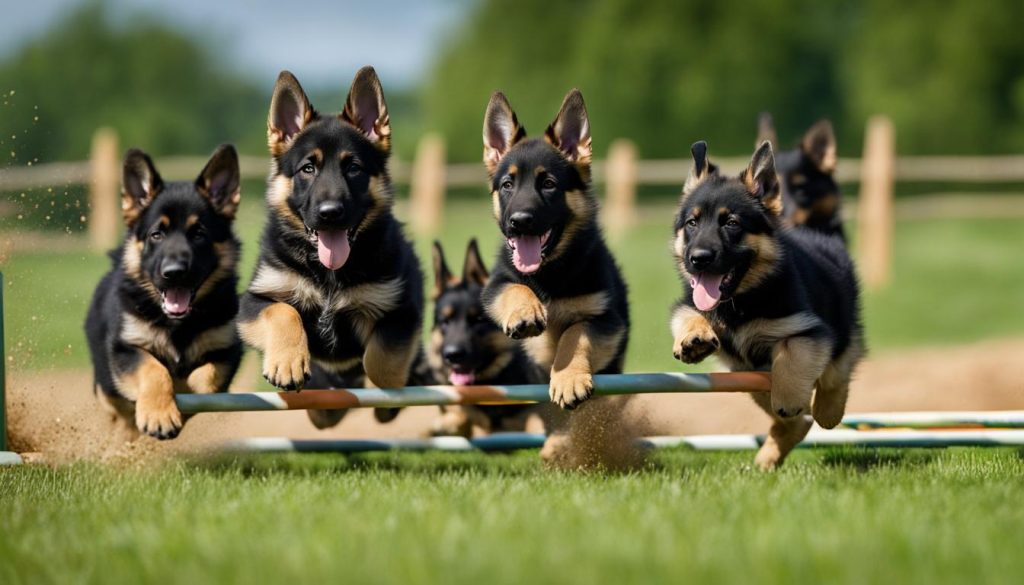
The legacy of the German Shepherd is steeped in their herding roots, which has endowed them with a potent prey drive. This characteristic, while beneficial in certain contexts, presents a training challenge for owners, particularly when there are other smaller pets within the home. The question often arises: are German Shepherds good with small dogs? The answer lies in the nuanced management of their instincts through responsible training.
Training and Management of Natural Instincts
Constructive training plays a vital role in directing the natural chase impulses of German Shepherds towards harmless play. Encouraging playful interactions like fetch utilizes their drive in a controlled and enjoyable manner. Mastery of these urges through German Shepherd puppies training is critical in preventing the escalation into predatory behaviors. This strategic guidance is critical as it defines their ability to discern play from prey.
Safe Interaction with Other Pets
To foster a safe and harmonious environment, German Shepherd puppies ought to be gently introduced to other pets within the household. Early socialization and rigorous training are paramount, setting clear boundaries and expectations for the puppy. These precautions ensure that German Shepherds can coexist peacefully with smaller dogs, negating the worry about the compatibility of different-sized pets living under one roof.
Why Socialization is Key for German Shepherd Puppies
Raising a well-mannered and confident German Shepherd extends far beyond basic training; it hinges on comprehensive early socialization. By intentionally introducing German Shepherd puppies to a wide range of environments, people, and experiences, breeders and owners lay the foundation for a dog that’s not only protective but also discerning and sociable. This pays dividends in ensuring the breed’s natural protective instinct is balanced with a friendly demeanor, making the process crucial particularly for families pondering are German Shepherds good with kids and are German Shepherds friendly enough to fit into their homes harmoniously.
Building Confidence and Trust with Strangers
German Shepherds are known for their confidence, but they must learn who is a friend and who might be a foe. Proper socialization exercises focus on familiarizing these intelligent pups with a variety of people, from children to the elderly, ingraining a sense of security and trust in their developing psyche. This critical phase in a puppy’s life shapes its future interactions, fostering a temperament that’s both welcoming and calm around strangers.
Preventing Unwanted Guarding Behavior
A German Shepherd’s instinct to guard can manifest as overprotective behavior if left unchecked. By exposing puppies to different situations and teaching them how to react appropriately, socialization curbs unnecessary guarding tendencies before they become problematic. Owners can then enjoy the peace of mind that comes with having a canine companion who is reliable in its ability to differentiate between typical family dynamics and genuine threats, without resorting to undue aggression. Thus, early and ongoing socialization is pivotal in shaping a German Shepherd into a dog that is as good with kids and as friendly as it is dutiful and alert.
Unwrapping the German Shepherd’s Playful and Lively Nature
German Shepherds may have a reputation for their strong and dignified character, but beneath that composed exterior lies a heart full of playfulness and vivacity. It’s this combination of spirit and intelligence that often prompts potential pet owners to ask, do German Shepherds make good pets? Indeed, their energetic antics and eagerness to engage make them not just good, but exceptional companions. To nurture their lively nature, it’s crucial for owners to integrate both play and training into the fabric of the German Shepherd’s daily life.
Incorporating Games and Learning into Daily Routines
For German Shepherd puppies training isn’t just about obedience—it’s also about having fun and developing their skills through play. By finding innovative ways to combine interactive games with learning exercises, owners can help their German Shepherds grow into well-adjusted and intelligent dogs. Whether it’s a game of fetch that hones their reflexes or a puzzle toy that stimulates their problem-solving abilities, playtime is essential for their mental and physical well-being.
Adventurous and Trustworthy Companions
German Shepherd puppies boast an innate sense of adventure that makes them ideal partners for various activities. Their dependable nature earns them a spot as trusted members of the family, ready to partake in explorations, be it hiking trails or navigating through the challenges of a new trick. These shared experiences do not just satiate their need for activity but also solidify their status as loyal and beloved pets.
The Loyal Legacy of German Shepherds
The German Shepherd is a breed synonymous with fidelity, a trait that has been celebrated and cherished by owners around the world. Their legacy as one of the most dedicated companions in the canine community is not simply a result of their protective nature, but also their heartfelt commitment to those they love. The stories of German Shepherds loyal to the end are not mythic tales, but real-life accounts of these noble dogs putting their owners’ welfare before their own.
From their origins as herding and working dogs to their roles in modern families, communities, and even military service, German Shepherds have consistently demonstrated unmatched devotion. Prospective and current owners of German Shepherd puppies can look forward to experiencing this profound bond firsthand. It is a bond that transcends simple pet ownership, evolving into a deep-seated partnership that resonates throughout the dog’s life.
The sight of a German Shepherd gazing up at their owner with earnest eyes is a testament to their legendary loyalty. As puppies, they forge an unbreakable link with their caregivers that often grows stronger with each passing year. This connection is the cornerstone of the breed’s identity, elevating them beyond just a pet to a steadfast protector, a reliable companion, and a valued member of the family.
Choosing a German Shepherd Puppy: Intelligent and Training Ready
German Shepherd puppies are not only a testament to beauty and strength but also an embodiment of intelligence and adaptability. Their eagerness to learn makes them perfect candidates for early training, a practice that leads to a harmonious relationship with both adults and children. For those considering adding a furry member to their family, understanding the training requirements of these intelligent canines is imperative. It’s equally important to acknowledge a German Shepherd’s compatibility with kids, as their protective instincts and patient demeanor make them excellent companions for families.
Training Strategies for Smart Canines
Developing a training strategy for your German Shepherd puppy should involve patience and consistency. Utilizing positive reinforcement and reward-based training from an early age not only motivates them but also fosters a trust-based relationship. Incorporating a variety of training techniques, such as obedience classes, agility training, and socialization exercises, is key to keeping them engaged. These strategies provide mental stimulation that German Shepherds crave and help prevent the onset of unwanted behaviors.
Implementing a Training Plan Early
To truly benefit from the remarkable intelligence of German Shepherd puppies, training should commence as soon as they are brought into their new home. This early implementation of a training plan can take full advantage of their formative weeks, a time when they are most malleable and predisposed to absorb new information. Addressing basic commands, house training, and early socialization with kids and other animals lays the groundwork for well-adjusted behavior, ensuring that these puppies grow up to be well-mannered and good with kids—a top priority for any family-oriented pet owner.
German Shepherd puppies training
is not just about teaching commands; it’s about shaping a companion that is confident, reliable, and respectful of its family members, both big and small.
High-Energy Needs: Are German Shepherd Puppies a Good Fit for You?
When contemplating the addition of a German Shepherd puppy to the family, one must account for their robust energy and enthusiasm. These puppies are more than just adorable faces; they are brimming with vitality, requiring an environment that mirrors their zest for life. The question potential owners must ask is whether their lifestyle can accommodate the German Shepherd puppies training and exercise regimens necessary for a well-adjusted pet.
Those interested in German Shepherd puppies should be prepared for a lively and active companion that thrives on engagement. Daily rigorous exercise, coupled with mental stimulation such as obedience training and puzzle toys, is not just recommended; it is essential. Only through sustained physical and mental challenges can the energetic nature of German Shepherds be properly channeled, leading to a harmonious living situation for both dog and owner.
Adopting a German Shepherd also begs the inquiry, “Do German Shepherds make good pets?” The answer largely depends on the owner’s investment in meeting the dog’s needs. For those willing to put in the time and energy, German Shepherds can be exceptionally rewarding companions, offering unwavering loyalty and incomparable companionship.
In concluding, while German Shepherds are undoubtedly affectionate and protective, they are not a breed for the sedentary. They crave action and purpose, two things that an active owner or family can provide. Take to heart the high-energy needs of the breed before making the commitment, and if aligned with your lifestyle, you may find a German Shepherd puppy to be the perfect fit.
Raising a German Shepherd: Health, Diet, and Care Tips
Embarking on the journey of raising a German Shepherd puppy is a rewarding experience that comes with a distinct set of health, diet, and care considerations. Recognized for their compatibility with children, and known as a breed that can be German Shepherd good with kids, these robust canines also require consistent care to avoid common health issues that the breed faces. A thoughtful approach to their upbringing can pave the way for a healthy and joyful life in a family setting.
Before diving into the detailed care protocols, it’s essential to appreciate that German Shepherd puppies grow into large, active dogs with specific nutritional needs. Alongside a controlled diet, maintaining their physical and mental health through regular check-ups and planned exercise is crucial to their development.
Health Screenings and Preventative Care
German Shepherds can be predisposed to certain health conditions, making regular veterinary screenings a fundamental aspect of their care. Preventative measures such as vaccinations and routine checks are vital in early detection and effective management of potential health issues. Guardians of German Shepherd puppies should be vigilant for signs of hip dysplasia and other hereditary conditions, seeking immediate veterinary guidance when concerns arise.
Best Practices for Diet and Nutrition
Proper nutrition lays the foundation for a German Shepherd’s overall health. Puppies, in particular, require a diet rich in protein, healthy fats, and essential nutrients to support their rapid growth and high energy levels. Portion control and high-quality dog food formulations designed for large breeds are essential to prevent overfeeding and obesity, which can contribute to skeletal problems. Additionally, incorporating appropriate supplements, as advised by a veterinarian, can bolster a puppy’s diet and contribute to robust development.
By integrating proactive health management and tailored nutrition, owners can contribute significantly to the welfare and longevity of their German Shepherd puppies, optimizing their potential to become a cherished family member well-suited for life among kids and adults alike.
Becoming a Responsible German Shepherd Owner
Embracing the role of a German Shepherd owner comes with a multitude of responsibilities, which extend far beyond the basics of food, shelter, and affection. These dogs are renowned for their protective nature, making them excellent family dogs. However, it also means that owners must be vigilant in their approach to raising and training this breed. Understanding the depth of commitment required can lead to a harmonious and secure relationship that benefits both the German Shepherd and its human family.
Accepting the Responsibility of a Protective Breed
German Shepherds are often sought after for their natural protective instincts, an attribute that makes them standout companions when diligently trained. To ensure that these instincts are channeled appropriately, consistent and structured German Shepherd puppies training is imperative. Training should begin early to cultivate a sense of security and ease within the home environment. This breed’s robust personality demands an equal measure of discipline and understanding, which owners must be prepared to provide.
Assessing Living Situations and Local Regulations
Potential German Shepherd owners need to carefully assess their living situations, taking into account the substantial space and exercise requirements of these active dogs. A home environment that affords the German Shepherd ample room to roam and play is crucial to their well-being. Furthermore, it is incumbent upon owners to stay informed about local pet ownership laws that may impact the keeping of large, protective breeds. Compliance with these regulations ensures the safety of both the dog and the community, thereby solidifying the foundations of responsible German Shepherd ownership.
FAQ
What makes German Shepherd puppies a unique choice for a pet?
German Shepherd puppies possess a blend of qualities including boundless energy, intelligence, and devotion, which require owners to invest ample time in training and socialization. Their playful nature and strong desire for companionship make them an extraordinary choice for families who are ready to engage actively with their pet.
Are German Shepherds good with kids?
Yes, German Shepherds can be good with kids if properly socialized and trained from a young age. Their protective instincts and loyal nature make them affectionate family members. However, it is important to supervise interactions between children and dogs to ensure safety for both.
Do German Shepherds make good family dogs?
German Shepherds are known to be excellent family dogs provided they are given the right training, socialization, and attention. They are protective, loyal, and have the capacity to form strong bonds with all family members.
Will a German Shepherd attack a child?
Generally, a well-trained and socialized German Shepherd will not attack a child. It’s essential to train them early on how to interact with kids and monitor their behavior to prevent any possible incidents.
How much exercise does a German Shepherd puppy require?
German Shepherd puppies require a significant amount of exercise to stay healthy and happy. This includes daily activities such as walks, playtimes, and other forms of physical and mental stimulation.
What are some ways to keep a German Shepherd puppy engaged and mentally stimulated?
Keeping a German Shepherd puppy mentally stimulated can involve training sessions, interactive toys, problem-solving games, and consistent learning opportunities to challenge their intellect and fulfill their mental energy.
How can I prepare for the long-term costs associated with owning a German Shepherd?
Prospective owners should plan for the costs of nutritious food, regular veterinary care, specialized training, and emergency medical expenses. Investing in pet insurance can also help mitigate unforeseen veterinary costs.
What are important factors to consider when selecting toys for a German Shepherd puppy?
Since German Shepherds are powerful chewers, it’s crucial to choose toys that are durable and safe. Toys should be robust enough to withstand vigorous play and should encourage interactive engagement to strengthen the bond between puppy and owner.
How can I manage a German Shepherd’s shedding?
Regular brushing, particularly during their twice-yearly heavy shedding periods, is vital in managing a German Shepherd’s shedding. This helps to remove loose fur and maintain the health and appearance of their coat.
Are German Shepherds good with smaller dogs?
German Shepherds can be good with smaller dogs if they are raised together or have been properly socialized. Training is necessary to ensure they understand how to appropriately interact with other animals in a safe and friendly manner.
How does socialization impact a German Shepherd puppy’s development?
Socialization is key in developing a well-rounded German Shepherd. It builds their confidence, teaches them appropriate social behavior, and helps prevent unwelcome guarding tendencies or aggressive reactions to unfamiliar scenarios.
What are some engaging activities I can do with my German Shepherd puppy?
German Shepherd puppies enjoy a variety of activities such as fetch, agility training, scent work, hiking, obedience training, and interactive play sessions that challenge them physically and mentally.
Why is loyalty considered a definitive trait of the German Shepherd breed?
German Shepherds are renowned for their strong sense of loyalty and commitment to their owners, often displaying a level of devotion and protection that is a hallmark of the breed.
At what age should I start training my German Shepherd puppy?
Starting training as early as possible is recommended. German Shepherd puppies are capable of learning basic commands from as young as eight weeks old, and early training sets the stage for a well-behaved adult dog.
Are German Shepherd puppies suitable for an apartment-living lifestyle?
German Shepherd puppies typically require more space and exercise than an apartment can provide. They are best suited to homes with ample indoor space and a yard. However, with enough daily exercise and mental stimulation, they can adapt to apartment living.
What are the dietary needs of German Shepherd puppies?
German Shepherd puppies require a balanced diet rich in protein, fats, and carbohydrates, along with essential vitamins and minerals to support their rapid growth and development.
What responsibilities come with owning a German Shepherd puppy?
Owning a German Shepherd entails committing to their training, socialization, exercise needs, grooming, health care, and ensuring a safe environment that aligns with local pet ownership regulations.
Leave a Reply