
The enchantment of flowers stretches far beyond their beauty, as each unique bloom carries a profound symbolism and meanings that have captivated humans for centuries. Birth Month Flowers are particularly special, offering insights into personality traits and embodying the unique bloom significance tied to each calendar month. In our journey through this botanical realm, we will unravel the emblematic nuances that capture the essence of each month’s distinctive flora, understanding how these natural embellishments contribute to self-expression and the art of gifting.
Key Takeaways
- Birth Month Flowers are steeped in symbolism, reflecting personality traits and characteristics.
- Each flower’s unique bloom significance offers a personalized touch for gifting and self-expression.
- Understanding the meanings behind these flowers enhances appreciation for natural beauty and tradition.
- Floral symbols can offer a glimpse into historical and cultural sentiments tied to specific months.
- Incorporating Birth Month Flowers into celebrations can add a layer of thoughtfulness and depth.
- The influence of Roman traditions on the symbolism of Birth Month Flowers highlights their enduring legacy.
Delving into January Birth Flowers: Carnations and Snowdrops
The arrival of the new year brings with it the celebration of January birth flowers, which include the vibrant carnation and the delicate snowdrop. These blooms are not only striking in their appearance but also rich in symbolism, offering a glimpse into the depth of human emotions and the resilience of nature during the colder months.
Carnations, known scientifically as Dianthus caryophyllus, are renowned for their ruffled petals and sweet, spicy scent. They thrive in the chill of winter, unfazed by the cool temperatures, a testament to their robust nature. The carnation’s various hues each carry their own message: the classic pink carnation signifies a mother’s love, conveying gratitude and admiration, dark red denotes deep love and affection, while white symbolizes pure love and good fortune.
Complementing the carnation, the snowdrop, or Galanthus, emerges as a true warrior against winter’s harshness. These small, bell-shaped flowers are often found piercing through the snow, symbolizing hope and the power of persistence. Snowdrops bloom at the tail end of winter, often signifying the coming of spring. In the Victorian language of flowers, they also convey sympathy and are frequently used to express compassion in times of loss.
Together, the carnation and snowdrop bring a powerful duo of flowers signifying the resilience and warmth that can be found even in the coldest times of the year. As January birth flowers, they offer a beautiful way to celebrate the depth of human connection and the enduring spirit of all that is nurturing, hopeful, and loving.
Embracing February’s Florals: Violets and Primroses
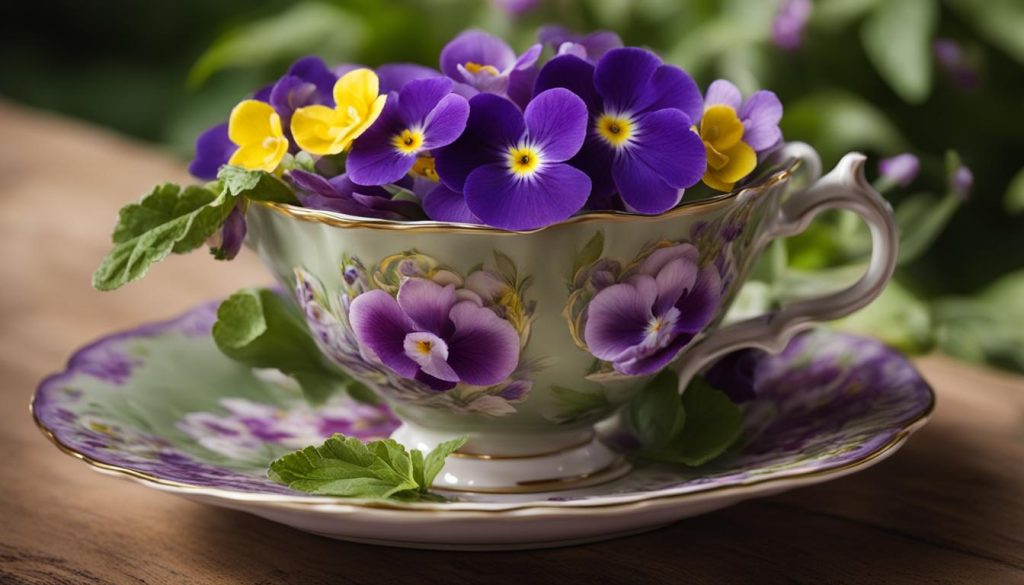
February may be the shortest month of the year, but its birth flowers bring a wealth of symbolism and color that make it memorable. Dominated by the rich hues of the violet and the delicate beauty of the primrose, this month celebrates virtues like modesty and notions of youthful love through these enchanting blooms. Acknowledging these flowers’ roles beyond mere aesthetics gives us insight into the subtleties of human emotions and relationships forged in the month of affection.
The Language of Violets: Modesty and Faithfulness
Violets, the classic February birth flower, carry with them the dignity of its deep purple shade, while other varieties present a more playful palette. The flower’s modest appearance belies the strength of its symbolism; qualities such as modesty, humility, and faithfulness are deeply embroidered in the violet’s cultural fabric. These small but significant blooms remind us that virtue often resides in quiet corners of existence.
Primroses: Symbols of Youthful Love
Complementing the violet is the cheerful primrose, a plant whose very name suggests the ‘prime’ or beginning of life and love. Their early spring appearance and soft yellow petals resonate with the theme of youthful love. Primroses not only brighten our gardens but also our dining experiences, as their edible nature makes them a whimsical garnish to romantic meals. The link between primroses and the sentimentality of early relationships makes them an ideal symbol of affection for those born in the heart of winter’s thaw.
March’s Blooms of Renewal: Daffodils and Jonquils
As the cold embrace of winter loosens, March heralds the arrival of spring with its vibrant carpet of florals. Chief among these early risers are the daffodils and jonquils, each a significant March birth flower. Symbolizing rebirth and new beginnings, the cheerful yellow petals of daffodils bring not just color but also a message of wealth and prosperity to those celebrating their birthdays in this transitional month.
Daffodils: Harbingers of Spring and Prosperity
With their unparalleled ability to signal the end of winter’s reign, daffodils take center stage as harbingers of spring. It’s no wonder they are often associated with rebirth, their blooms rising from the formerly barren ground as if to announce the Earth’s awakening. In various cultures, these flowers are considered to bring good fortune, thus intertwining them with notions of wealth.
Jonquils: Greek Mythology and the Symbol of Desire
Jonquils, with their intoxicating fragrance and delicate form, speak to the desires of the heart. With roots deeply entrenched in Greek mythology, the flowers are a memorial to the story of Narcissus—often intertwined with themes of self-love and reflection. Today, jonquils evoke the feelings of longing and desire, a passionate expression for those born under the banner of March.
April Flowers: Daisies and Sweet Peas Uncovered
The arrival of April brings with it the blooming of two significant flowers, each rich in symbolism and allure. The April birth flower duo consists of the vibrant daisy and the fragrant sweet pea, each possessing its own unique story and significance. Daisies are not just a visual delight with their iconic white petals encircling a bright yellow center, but they hold deep meanings relating to true love and purity. Dating back to the late 1800s in South Africa, they are cherished for symbolizing innocence and new beginnings, making them a favorite for seasonally themed weddings and springtime celebrations.
On the other hand, sweet peas, with their delicate blossoms and enchanting fragrance, evoke sentiments of blissful pleasure and gratefulness. Their varied hues and gentle tendrils associate them not only with genuine appreciation but also with good friendships. Tradition suggests that giving these blooms expresses thanks, making them a perfect gift for hosts or a symbol of gratitude for acts of kindness. Together, daisies and sweet peas bring into April a tapestry of colors and a fragrance that capture the essence of spring’s renewal and joyful spirit.
May’s Birth Flowers: Lily of the Valley and Hawthorn’s Deep Meanings
With the arrival of May comes the blossoming of two flowers rich in symbolism and cherished for their unique association with human qualities. The May birth flower, Lily of the Valley, and the Hawthorn each weave a narrative of their own, encapsulating feelings of sweetness and motherhood through their delicate appearances and historical significance.
Cherishing the Sweetness of Lily of the Valley
Known for its fragrant bell-shaped blossoms, the Lily of the Valley stands as a testament to the gentle virtues of humility and happiness. May’s gentle messenger, this flower imbues a sense of motherhood through its understated beauty, making it a cherished gift for mothers around the world in celebrations of their love and sacrifice.
Hawthorn: A Emblem of Hope and Protection
The Hawthorn, though lesser-known, holds no less in significance. With its ties to ancient Celtic traditions, this member of the rose family symbolizes hope, protection, and a wish for joy in one’s life. It is sentimentally picked for brides, echoing their new journey filled with love and guardianship.
The interplay of these May blooms in floral arrangements and gifts offers more than ornamental pleasure; they carry deep roots in tradition and the collective human experience, transcending mere aesthetics and offering a language of love without words.
Exploring June’s Floral Gifts: The Rose and Honeysuckle

As the calendar turns to June, the world embraces the full bloom of summer, and with it, the month’s signature flora. The June birth flower, marked by beauty and diversity, offers a sumptuous treat to the senses with the classic rose and the sweetly scented honeysuckle. These flowers not only captivate with their aesthetic and aromatic appeal but also carry a depth of symbolic meaning that has enchanted humans for centuries.
Roses: A Spectrum of Colors and Emotions
The rose, a botanical marvel, presents an array of colors, each whispering a different sentiment. It’s an embodiment of nuanced emotions that range from warm admiration to the fervent heat of passion. The pink rose is widely known for expressing fondness and admiration, an ideal representation of gentle emotions. In full contrast, the red rose, bold and beautiful, is the ultimate token of passionate love, deeply rooted in cultural references across the globe. Standing apart, the yellow rose illuminates a message of pure joy and friendship.
Honeysuckle: Bonds of Devotion and Everlasting Happiness
Honeysuckle, with its vigorous vines that climb unyielding surfaces and its ability to attract pollinators like hummingbirds, is symbolic of strong bonds and the pursuit of happiness. The flower is a testament to resilience, a reminder that steadfast devotion and close connections bring about contentment and a sense of security. Its sweet fragrance and linking vines are often seen as emblems of an everlasting happiness that persists through the trials of time.
July’s Larkspur and Water Lily: A Study in Contrast
In the heart of summer, the July birth flower duo presents a fascinating dichotomy between earth and water. The Larkspur, reaching for the sky with its spire of blossoms, emerges as a beacon of positivity and grace amidst the verdant gardens. Parallel to this stands the tranquil Water Lily, a floating testament to serenity and spirituality on still ponds. Despite their contrasting habitats and appearances, both flowers encapsulate the vibrant essence of July’s spirit.
Larkspur’s Rich Palette and Hidden Dangers
The Larkspur, characterized by its towering form and spectrum of blues, pinks, and purples, infuses landscapes with a dash of celebratory color. A closer look at this spectacle reveals a darker side; the plant’s toxic nature demands respect and care. Nonetheless, the flower’s symbolism extends beyond its hues, carrying connotations of an open heart and ardent attachment—a reflection of the positive mindset often related to the summer season.
Water Lily: Symbol of Enlightenment and Purity
Contrasting the bold Larkspur, the Water Lily embodies tranquility. With petals that unfurl upon the water’s surface, this bloom illustrates enlightenment, with a clear association to purity and peace found in Buddhist traditions. Each Water Lily is a natural mandala, signifying the journey toward spiritual awakening—a journey as serene as the waters from which it arises. This aquatic July birth flower is truly more than meets the eye, epitomizing the profound depths of spirituality and the nurturing aspect of calm waters.
The Vibrant August Birth Flowers: Gladiolus and Poppy
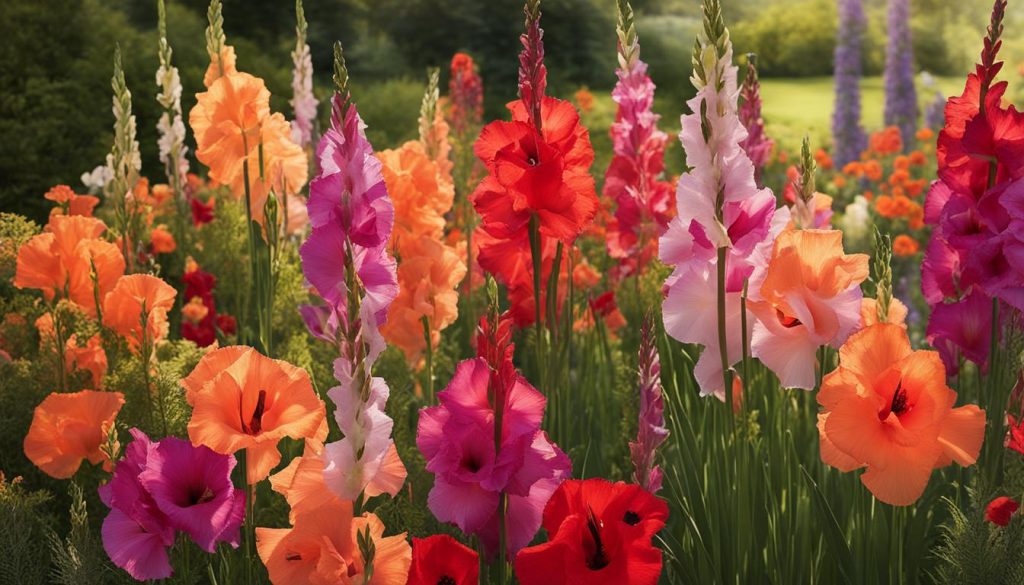
The August birth flower, the Gladiolus, embodies strength, integrity, and moral character. Unfolding from the heart of Victorian symbolism into modern times, the Gladiolus has evolved as an enduring emblem of remembrance and inner fortitude. Through its sword-like shape, it conjures the image of a gladiator, ready to exhibit bravery and honor—a sentiment deeply ingrained in its identity.
Mirroring the depth of the Gladiolus is the Poppy, a bloom which has held a steady gaze upon the fields of history, witnessing the cycle of life and death in its surroundings. Across cultures, the Poppy has become synonymous with remembrance, a testament to those whose sacrifices have shaped our present. Beyond this, there lies an untamed spirit within the Poppy’s tender petals, pointing towards the capacity for imagination and the blooming of potential.
As the summer wanes and the month of August takes hold, gardens and bouquets alike brighten with the vibrant hues of these flowers. Whether you’re inspired by the Gladiolus’s resilience and sincerity or drawn to the Poppy’s delicate yet profound nature, both flowers make exceptional gifts that carry deep symbolic meaning. Together, they weave a narrative of perseverance, vivid imagination, and the delicate art of honoring those who came before us.
September’s Starry Blossoms: Aster and Morning Glory
As autumn begins to whisper with its cooling breath, September gardens are brought to life by the vibrant hues of its birth flowers – the Aster and Morning Glory. These blossoms are not only a feast for the eyes but also rich in symbolism, seamlessly blending the beauty of nature with profound meanings of love and enlightenment.
Aster: A Token of Love and Wisdom
The Aster, with its daisy-like petals that form a starry constellation, is a September symbol that heralds messages of deep love and sage wisdom. Revered throughout history, Asters have been depicted in various art forms, including the masterful paintings of Claude Monet and Vincent van Gogh. This flower, often found in a spectrum of pinks, purples, and blues, encapsulates the dual traits of affection and intellect – qualities that are cherished in personal relationships and honored by those who give or receive them.
Morning Glory’s Link to Young Love and Innocence
The Morning Glory, twisting and turning with the sun’s trajectory, captures the essence of fleeting beauty and ephemeral love. In the Japanese language of flowers, known as Hanakotoba, the Morning Glory represents a bond of love and the purity of a sincere heart. Traditionally given to young couples, this flower blooms with the promise of new beginnings and captures the delicate balance of passion and innocence inherent in burgeoning relations.
In gardens, public spaces, and thoughtful bouquets, both Asters and Morning Glories resonate with the spirit of September. They serve as reminders that with every end, there is a new start, with every dusk, a new dawn; and that even the most fleeting moments can be imbued with the depths of **wisdom** and the heights of **love**.
October’s Birth Flowers: Marigold and Cosmos’ Captivating Stories
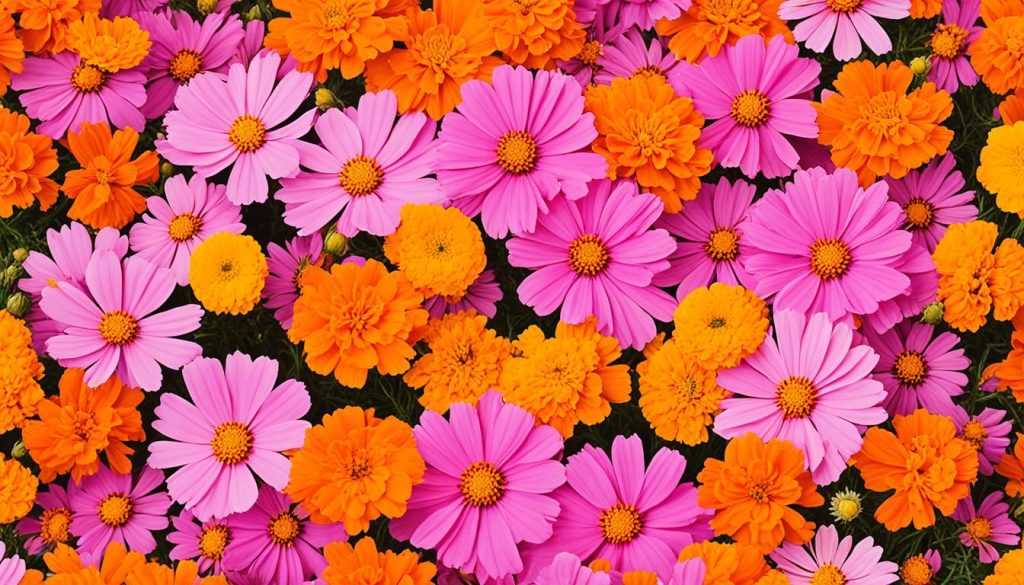
The tenth month of the year brings with it a robust palette of autumnal colors, and the October birth flower choices are no exception. Associated distinctly with this vibrant season, both Marigold and Cosmos contribute uniquely to October’s floral narrative, weaving stories of courage, passion, and balance.
Marigold: A Celebration of Creativity and Courage
Marigolds burst forth with their rich, fiery hues of oranges and yellows, epitomizing the essence of courage and resilience. These flowers go beyond mere decoration; they are culturally significant in events like Día de los Muertos, serving as symbols to guide spirits to altars. Their vibrant presence is often associated with the sun’s energy, reflective of creativity and the courage to pursue artistic endeavors.
Cosmos: The Essence of Harmony and Balance
Contrasting the intense presence of Marigolds are the delicate Cosmos, presenting a daisy-like aesthetic that whispers the need for harmony and balance in life. Native to Mexico, where their medicinal properties were first appreciated, Cosmos flowers reflect the orderliness of the universe. Gentle and swaying with every breeze, they remind us to find equilibrium amidst life’s chaotic moments.
November’s Sole Bloom: The Chrysanthemum
As the days grow shorter and the temperatures dip, the November birth flower, the Chrysanthemum, stands resilient, embodying warmth and vibrancy with its multitude of hues. Known fondly as ‘Mums’, these flowers carry with them a tapestry of significance steeped in cultural history. Chrysanthemums are not just a symbol of the fall season; they are a testament to loyalty and longevity, traits that resonate deeply within the human spirit.
Originating in Asia over 2,500 years ago, the Chrysanthemum has traveled across the world, evolving into a botanical emblem celebrated for both its beauty and its metaphorical richness. In the realm of affection and admiration, to present someone with a Chrysanthemum is to honor them with the promise of enduring friendship and the assertion of joy in their life. This significance is further highlighted by the flower’s connection to the thirteenth wedding anniversary, marking milestones of connection and the continuity of companionship.
The Chrysanthemum’s appeal isn’t merely ephemeral. It is a bloom that withstands the frost of late autumn, offering a representation of life’s persistence and the endurance of nature’s splendor. With the wide spectrum from white to deep burgundy, each shade of Chrysanthemum brings a unique message, from innocence to passion, reinforcing the flower’s adaptability in both meaning and appearance.
Celebrating the Chrysanthemum during the month of November is to embrace the full circle of its significance—from its roots in ancient civilizations, where it was revered, to contemporary times where it remains a poignant emblem. It is a bloom that captures the heart’s affections and the steadfastness of time-honored traditions.
Festivity and Affection in December Birth Flowers
As the year draws to a close, the December birth flowers bring with them a poignant mix of meanings and traditions that resonate with the season’s spirit. The month of December is praised for its festive flair and deep-rooted sentiments of warmth, and its flowers, Narcissus and Holly, enhance this celebratory atmosphere with their distinctive symbolism. Each bloom holds a unique place within the horticultural tapestry of birth month flowers, encapsulating both the joy and purity emblematic of their respective histories and qualities.
Narcissus: Symbol of Purity and Faith
The paperwhite Narcissus distinguishes itself from its spring counterpart with its gentle white petals, exuding a an elegance that stands as a testament to purity, faith, and respect. This variety’s emergence in the colder month underscores its resilience and offers a floral representation of steadfastness amidst the winter’s chill. Often regarded as a token of honor, the paperwhite Narcissus adds an introspective dimension to the usual holiday cheer, prompting us to reflect on the year passed and the new one to come.
Holly: The Emblem of Christmas Cheer and Protection
Nothing quite captures the essence of December’s festivity like the sight of Holly’s vibrant red berries set against its lush, green foliage. This evergreen, steeped in Christmas symbolism, not only garnishes homes with its traditional charm but also signifies happiness, ongoing life, and protection. Representing goodwill and a beacon of peace during the holiday celebrations, Holly is more than just a decorative element; it’s a symbol deeply ingrained in the fabric of yuletide lore and is a botanical herald of prosperity and family solidarity.
FAQ
What are the birth flowers for January?
January’s birth flowers are the carnation and the snowdrop. The carnation comes in various colors, each with a unique meaning such as love and admiration, while the snowdrop symbolizes hope and the beauty of a pure heart.
What do February’s birth flowers represent?
February’s birth flowers, the violet and primrose, carry rich symbolism. Violets stand for modesty, faithfulness, and wisdom, whereas primroses represent young love and the enjoyment of life’s pleasures.
Can you explain the significance of March birth flowers?
Daffodils and jonquils are the birth flowers for March. Daffodils often indicate rebirth and new beginnings, heralding the arrival of spring, while jonquils, associated with desire and affection, draw their meanings from Greek mythology.
What are April’s birth flowers and their meanings?
April has the daisy and sweet pea as its birth flowers. Daisies are symbols of innocence, true love, and purity of thought, whereas sweet peas convey blissful pleasure and are often given as a token of farewell or departure.
What is special about May’s birth flowers?
May’s birth flowers are the Lily of the Valley and Hawthorn. The Lily of the Valley represents sweetness, humility, and a return to happiness, and Hawthorn signifies hope, fertility, and protection. Both flowers bring a deep sense of joy and sprouting life.
Which flowers are associated with the month of June?
Roses and honeysuckles are June’s birth flowers. Roses convey a variety of messages based on their color, including love, appreciation, and joy. Honeysuckles represent strong bonds of love and the happiness of a devoted affection.
What does the July birth flower symbolize?
July’s birth flowers are the Larkspur and Water Lily. Larkspur signifies joy and an open heart, but be aware they can be toxic. Water Lilies convey purity of heart and peace of mind, as well as enlightenment and rebirth.
What is the August birth flower, and what does it signify?
The Gladiolus and Poppy are the birth flowers for August. The Gladiolus symbolizes moral integrity, strength of character, and remembrance, while the Poppy is associated with rest, recovery, and the memory of departed loved ones.
What significance do September birth flowers carry?
Asters and Morning Glories are the birth flowers of September. Asters are symbolic of love, wisdom, and valor, while Morning Glories represent love, affection, and mortality, or the fleeting nature of love and life.
What are the birth flowers for October, and what do they represent?
October’s birth flowers are the Marigold and Cosmos. Marigolds signify creativity, passion, and resilience, while Cosmos are indicative of order, peace, and serenity amidst the chaos of the world.
Can you tell us about November’s birth flower?
The Chrysanthemum is the sole birth flower for November, and it comes in a wide array of colors. These blooms embody happiness, love, longevity, and joy, making them a perfect gift for anniversaries or to show affection and well-wishes.
What are the birth flowers for December, and what meanings are associated with them?
December’s birth flowers are the Narcissus, specifically the paperwhite variety, and Holly. Narcissus flowers symbolize purity, faith, and respect, while Holly is a powerful emblem of happiness and protection, providing a fitting close to the year with its festive connotations.
Leave a Reply