
Snake plants, also known as sansevieria, are popular houseplants that come in a wide variety of types and offer versatility for any home. With over 70 different species and many more cultivars, snake plants can thrive in various light conditions and display unique foliage patterns and shapes. From the classic Sansevieria Trifasciata ‘Laurentii’ to the rare Sansevieria Ehrenbergii ‘Samurai,’ there is a snake plant variety to suit every preference and style. Whether you’re looking for a compact dwarf variety for a small space or a striking cylindrical snake plant for a standout centerpiece, this article will guide you through the different types of snake plants and help you choose the perfect variety for your home.
Key Takeaways:
- Snake plants, or sansevieria, are versatile houseplants that come in various types and offer unique foliage patterns and shapes.
- There are over 70 different species and numerous cultivars of snake plants, ranging from classic varieties like ‘Laurentii’ to rare varieties like ‘Samurai’.
- Snake plants can thrive in different light conditions and are suitable for both small and large spaces.
- Some popular snake plant varieties include Sansevieria Trifasciata ‘Laurentii’, Sansevieria Cylindrica, Sansevieria ‘Moonshine’, and Sansevieria Kirkii.
- When choosing a snake plant, consider factors such as size, light requirements, and aesthetic preferences.
An Introduction to the Versatility of Snake Plants
Snake plants, scientifically known as Sansevieria, are prized for their versatility as houseplants. They can adapt to a wide range of growing conditions, making them suitable for both experienced and novice plant owners. Snake plants are known for their architectural foliage, which adds a modern and stylish touch to any interior decor. They are also incredibly low-maintenance, requiring infrequent watering and tolerating various light levels, including low-light conditions. Snake plants can thrive in both indoor and outdoor settings, making them a versatile choice for any home. In addition, these plants are available in a wide variety of types, each with its own unique characteristics, colors, and patterns. The versatility of snake plants makes them a popular choice among plant enthusiasts and interior designers alike.
Types of Snake Plants: A Visual Guide
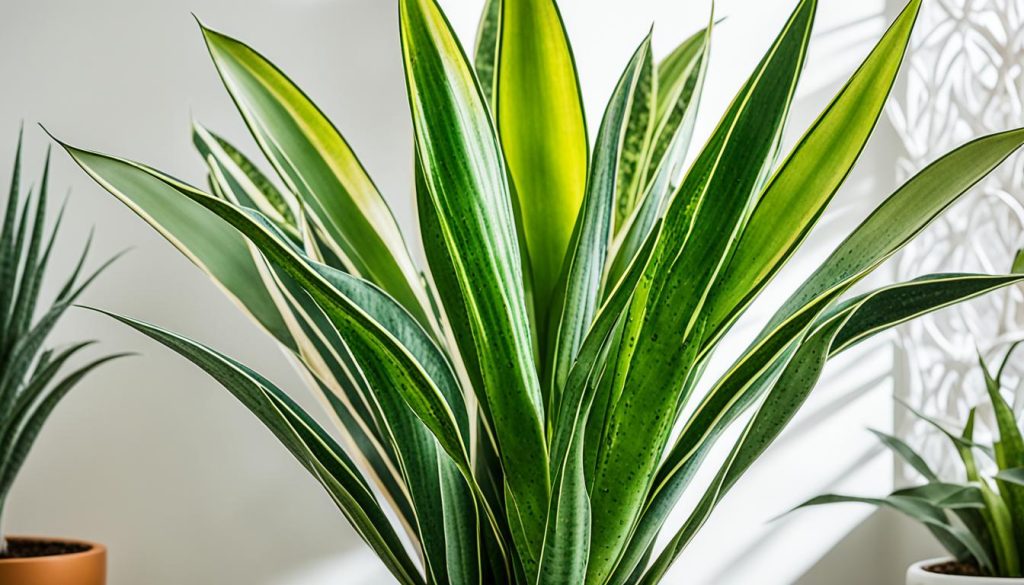
In this section, we will provide a visual guide to various types of snake plants, complete with images and descriptions. Each variety offers its own distinct features, such as leaf shape, color, and size. From the classic Sansevieria Trifasciata ‘Laurentii’ with its striking yellow-edged foliage to the unique cylindrical leaves of the Sansevieria Cylindrica, this guide will help you identify and choose the perfect snake plant for your home.
Sansevieria Trifasciata ‘Laurentii’: A Classic Choice
Sansevieria Trifasciata ‘Laurentii,’ also known as the variegated snake plant or striped mother-in-law’s tongue, is one of the most popular and recognizable snake plant varieties. It features striking foliage with dark green leaves that have banded zigzags of lighter green and yellow edges. The sword-shaped leaves and variegated pattern make this variety a classic choice for any indoor space. Sansevieria Trifasciata ‘Laurentii’ is low-maintenance and can tolerate various light conditions, making it an ideal choice for beginner plant owners. With its ability to adapt to different environments and its stunning visual appeal, ‘Laurentii’ remains a top choice among snake plant enthusiasts.
Sansevieria Cylindrica: The African Spear Plant
Sansevieria Cylindrica, also known as the African spear plant or cylindrical snake plant, is a unique variety with long, cylindrical leaves that grow upright. The leaves can have a solid green color or display bold bands of gray-green stripes. The African spear plant is a slow-growing succulent that can reach heights of up to 6 feet. Its architectural foliage and compact size make it a popular choice for modern interior design. Sansevieria Cylindrica is a low-maintenance plant that can tolerate low-light conditions, making it suitable for any indoor space.
Sansevieria ‘Moonshine’: A Silvery Marvel
Sansevieria ‘Moonshine’ is a striking variety known for its silvery-green foliage. The leaves are flat and pointy, with silvery green coloration and lighter green blotches and striations. This cultivar is highly sought after for its unique and elegant appearance. ‘Moonshine’ thrives in bright but indirect light, and its foliage can fade in shadier spots. With its silvery marvel, the ‘Moonshine’ snake plant adds a touch of sophistication to any indoor setting.
Sansevieria Kirkii: The Star Sansevieria
Sansevieria Kirkii, also known as the star sansevieria, is a slow-growing variety with star-shaped leaves that fan out beautifully. The leaves have dark green coloration with wavy reddish margins and white mottling on mature plants. The star sansevieria is an eye-catching addition to any indoor space and can reach heights of up to 3 feet. It requires bright but indirect light to maintain its vibrant foliage. With its unique shape and distinctive colors, Sansevieria Kirkii is a star among snake plant varieties.
Exploring Sansevieria Varieties for Modern Interiors
Snake plants are a popular choice for modern interiors due to their architectural foliage and low-maintenance nature. These versatile plants can add a touch of elegance and greenery to any contemporary space. From sleek and compact varieties to bold patterns and unique shapes, there is a Sansevieria variety to suit every modern interior design.
One of the modern snake plant varieties that stands out is the cylindrical snake plant. With its long, upright leaves, this variety adds a sculptural element to any room. Its compact size and minimalist appearance make it a perfect fit for modern spaces. The dwarf snake plants are another great option for compact interiors. These small varieties can fit in tight corners or small tabletops, adding a touch of green without overwhelming the space.
When it comes to choosing snake plants for modern interiors, it’s all about finding the right balance. Look for minimalist snake plants with clean lines and simple foliage patterns. The minimalist snake plants often have solid-colored leaves or subtle variegation, making them a perfect complement to modern decor styles.
By selecting sansevieria varieties for contemporary spaces, you can create a modern and stylish atmosphere while enjoying the air-purifying benefits of these low-maintenance plants. Whether you prefer a striking cylindrical snake plant or a compact dwarf variety, incorporating snake plants into your modern interior design will elevate the aesthetic appeal of your space.
Cylindrical Snake Plant Varieties that Stand Out
Cylindrical snake plants are known for their unique and distinctive leaf shape. In this section, we will highlight two remarkable cylindrical snake plant varieties that stand out among the rest.
Sansevieria Cylindrica ‘Boncel’: Unique Fan Shape
Sansevieria Cylindrica ‘Boncel’ is a unique variety with a fan-shaped leaf pattern. The leaves are arranged in a circular fashion, resembling a fan. This distinctive shape sets ‘Boncel’ apart from other cylindrical snake plants. It features a compact size and can thrive in various light conditions. With its unique fan shape, Sansevieria Cylindrica ‘Boncel’ adds an artistic touch to any indoor space.
Sansevieria ‘Fernwood’: Strikingly Grooved Foliage
Sansevieria ‘Fernwood’ is a cylindrical snake plant variety with strikingly grooved foliage. The leaves have deep grooves along their length, adding texture and visual interest to the plant. This variety is known for its compact size and upright growth habit. ‘Fernwood’ can tolerate low-light conditions, making it suitable for various indoor settings. With its unique grooved foliage, Sansevieria ‘Fernwood’ brings a touch of nature’s artwork to any space.
Uncommon and Rare Snake Plant Species

In this section, we will explore two uncommon and rare snake plant species that are highly sought after by plant enthusiasts.
Sansevieria Masoniana ‘Whale Fin’: Large and Sculptural
Sansevieria Masoniana, also known as the ‘Whale Fin’ snake plant, is a rare and unique variety with large and sculptural leaves. The leaves have a wide and paddle-like shape, resembling a whale fin, hence the name. This variety is highly sought after by collectors due to its impressive size and striking appearance.
‘Whale Fin’ can reach heights of up to 4 feet and requires bright, indirect light to maintain its optimal growth. With its large and sculptural foliage, Sansevieria Masoniana adds a dramatic focal point to any indoor space.
Sansevieria Ehrenbergii ‘Samurai’: Thick, Sword-like Leaves
Sansevieria Ehrenbergii ‘Samurai,’ also known as the ‘Samurai’ snake plant, is a rare variety with thick and sword-like leaves. The leaves have a unique shape with sharp ends, resembling the swords of ancient Japanese warriors. This variety is highly prized for its striking foliage and rare availability.
‘Samurai’ can reach heights of up to 5 feet and requires bright but indirect light to thrive. With its thick and sword-like leaves, Sansevieria Ehrenbergii ‘Samurai’ adds a touch of elegance and strength to any indoor space.
Dwarf Snake Plant Types for Compact Spaces
Dwarf snake plants are ideal for adding greenery to small indoor spaces or limited gardens. Their compact size and unique features make them a perfect choice for those looking to incorporate plants into their homes without taking up too much space. In this section, we will explore two dwarf snake plant varieties that are specifically suited for compact spaces.
Sansevieria Trifasciata ‘Hahnii’: The Bird’s Nest Variant
The Sansevieria Trifasciata ‘Hahnii’, commonly known as the bird’s nest snake plant, is a compact and dwarf variety that adapts well to limited spaces. It gets its name from its growth habit, as its leaves cluster together in a nest-like arrangement. The ‘Hahnii’ is a low-maintenance plant that can tolerate various light conditions, making it suitable for any indoor setting. Its compact size and unique growth pattern add charm and elegance to small spaces, making it a favorite among plant enthusiasts.
Sansevieria ‘Twisted Sister’: Curly Leaf Adaptation
The Sansevieria ‘Twisted Sister’ is a unique dwarf variety that stands out with its curly leaves. This variety showcases leaves with a twisted appearance, adding a touch of whimsy and charm to any space. ‘Twisted Sister’ is highly suitable for small spaces due to its compact size. It can tolerate low-light conditions and requires infrequent watering, making it a low-maintenance choice for indoor gardens. With its curly leaf adaptation, the ‘Twisted Sister’ adds a playful element to any room and is a delightful addition to compact spaces.
Variegated Snake Plants and Their Ornamental Appeal

Variegated snake plants are highly regarded for their ornamental appeal, showcasing leaves adorned with unique patterns and colors. These stunning varieties of snake plants, also known as Sansevieria, add a touch of beauty and intrigue to any indoor space. With their eye-catching foliage, variegated snake plants serve as captivating focal points in home decor.
Variegated snake plants come in a wide range of varieties, each displaying its own distinct leaf patterns and colors. These striking foliage variations can include bold stripes, speckles, or marbling, creating a visually dynamic display that catches the eye. The intricate patterns and vibrant colors present in variegated snake plants make them an excellent choice for those seeking to add a pop of excitement to their indoor greenery.
The ornamental appeal of variegated snake plants goes beyond their stunning foliage. Their unique patterns and colors can effortlessly complement various home decor styles, from modern and minimalist to traditional and eclectic. Whether placed in a stylish pot on a windowsill or used as a centerpiece for a coffee table, variegated snake plants add a touch of elegance and sophistication to any space.
The diversity of variegated snake plant varieties ensures that there is a perfect option for every plant enthusiast. Whether you prefer soft and subtle color variations or bold and dramatic leaf patterns, there is a variegated snake plant to suit your taste. These ornamental snake plant species are not only visually appealing but also relatively low-maintenance, making them an ideal choice for both experienced plant owners and beginners.
Sansevieria Types That Thrive in Low Light Conditions
Not all snake plant varieties require bright light to thrive. Some sansevieria types can adapt to low light conditions, making them perfect for spaces with limited natural light. These low-light tolerant snake plants are ideal for offices, bathrooms, or any room with limited windows. Despite the lack of sunlight, these varieties can still thrive and add a touch of greenery to dim spaces.
Adapting to Indoor Lighting: Varieties That Flourish in Dim Spaces
Snake plants are known for their adaptability to various light conditions, including low light levels. They have evolved to tolerate lower light levels, making them suitable for dimly lit spaces. These low-light snake plant varieties have adapted to survive in low light conditions by using their efficient photosynthetic pathways, which allow them to convert light into energy even in dimly lit environments.
When it comes to snake plants for low light, sansevieria varieties such as Sansevieria Trifasciata ‘Laurentii’, Sansevieria Cylindrica, and Sansevieria ‘Moonshine’ are excellent choices. These varieties have proven their ability to thrive in low-light conditions, making them popular options for homes or offices with minimal natural light.
The Impact of Light on Snake Plant Foliage Vibrancy
Light plays a crucial role in determining the vibrant colors and patterns of snake plant foliage. Adequate light is necessary for snake plants to produce chlorophyll, the pigment responsible for their green color. Insufficient light can result in pale or yellowish leaves, while too much light can cause burns or bleaching.
Snake plant leaf coloration and pattern can vary depending on the amount and quality of light they receive. In low light conditions, snake plants may exhibit darker green colors, whereas bright, indirect light can enhance variegation and bring out the unique patterns and markings in the leaves.
It’s important to consider the light requirements of snake plants to ensure the vibrant growth of their foliage. Placing these low-light tolerant sansevieria varieties in appropriately lit areas will help maintain their visual appeal and keep their leaf coloration and patterns vibrant.
Snake Plants with Unique Foliage Colors and Patterns
Snake plants are known for their visually striking appearance, thanks to their unique foliage colors and patterns. These indoor plants offer a wide range of options that can add an element of beauty and intrigue to any space.
Understanding the Different Shades and Strokes of Snake Plant Leaves
Snake plant leaves come in various shades, ranging from deep, dark greens to silvery grays. Some varieties even showcase striking variegated patterns, with a mix of different colors on their leaves. These different shades and strokes create a visually appealing contrast that can make a bold statement in your home.
Whether you prefer the boldness of a dark snake plant or the ethereal beauty of a light-colored variety, there is a snake plant to suit your taste. With their unique foliage colors, snake plants can be a focal point in any room, adding vibrancy and style to your indoor space.
‘Black Gold’ and ‘Moonshine’: A Contrast in Darkness and Light
Two snake plant varieties that exemplify the contrast between darkness and light are ‘Black Gold’ and ‘Moonshine.’ ‘Black Gold’ features dark green leaves with bright gold chartreuse edges, creating a striking contrast that catches the eye. On the other hand, ‘Moonshine’ boasts silvery green foliage with lighter green blotches and striations, creating a softer, lighter contrast.
These contrasting colors add depth and visual interest to any indoor space. Whether you opt for the dramatic allure of ‘Black Gold’ or the subtle elegance of ‘Moonshine,’ these snake plant varieties are sure to make a statement and elevate your home decor.
The Importance of Snake Plant Toxicity Awareness
While snake plants are beloved for their beauty and low-maintenance nature, it’s crucial to be aware of their potential toxicity. Understanding the potential risks is essential, especially if you have pets or children in your home.
Snake plants, scientifically known as Sansevieria, contain toxic compounds that can cause discomfort and health issues if ingested. Common symptoms of snake plant toxicity in pets and children include mouth irritation, drooling, nausea, vomiting, and digestive upset. Although snake plant toxicity is generally mild, it’s still important to take preventative measures to ensure the safety of your loved ones.
If you have pets or young children, it’s advisable to keep snake plants out of their reach or consider alternative houseplants that are non-toxic. Additionally, when selecting snake plant varieties, be mindful of their potential toxicity. While most snake plant species and cultivars are known to be toxic, some may have lower toxicity levels than others.
To create a safe snake plant display, place them in areas that are inaccessible to pets and children, such as high shelves or hanging planters. Be cautious when repotting or dividing snake plants, as their sap can be irritating to the skin. If accidental ingestion occurs or you notice any symptoms of toxicity, seek veterinary or medical attention immediately.
FAQ
What are the different types of snake plants?
There are various types of snake plants, including Sansevieria Trifasciata ‘Laurentii,’ Sansevieria Cylindrica, Sansevieria ‘Moonshine,’ and Sansevieria Kirkii, among others.
What is the most popular snake plant variety?
The Sansevieria Trifasciata ‘Laurentii,’ also known as the variegated snake plant or striped mother-in-law’s tongue, is one of the most popular and recognizable snake plant varieties.
What is a cylindrical snake plant?
The Sansevieria Cylindrica, also known as the African spear plant or cylindrical snake plant, is a unique variety with long, cylindrical leaves that grow upright.
Are snake plants suitable for low-light conditions?
Yes, some snake plant varieties, such as Sansevieria Trifasciata ‘Laurentii’ and Sansevieria Cylindrica, can thrive in low-light conditions, making them suitable for spaces with limited natural light.
Are snake plants toxic to pets and children?
Yes, snake plants can be toxic to pets and children if ingested. It’s important to be aware of the potential risks and take proper precautions when displaying snake plants in homes with pets and children.
Leave a Reply